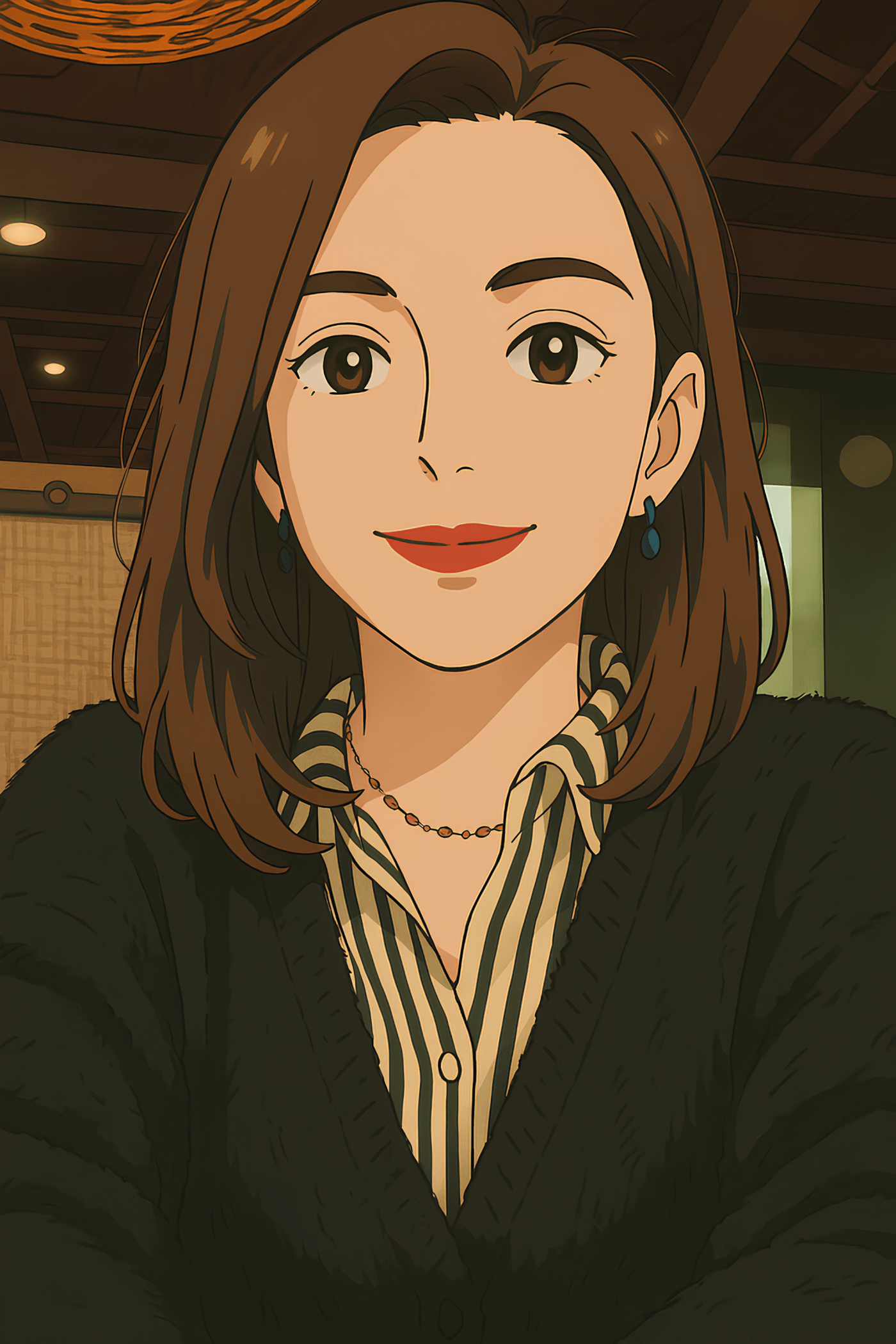
C’è un momento preciso in cui smetti di chiedere il permesso.
Non arriva con gli anni, anche se tutti pensano il contrario.
Arriva quando capisci che lo stile non è quello che indossi, ma quello che lasci andare.
Le donne negli anta non entrano in una stanza: la attraversano.
Hanno imparato a riconoscere gli sguardi inutili, le parole leggere, le promesse senza peso. E sorridono comunque—ma a modo loro.
Non si vestono per piacere.
Si vestono per dirsi la verità.
C’è chi le chiama complicate.
Loro preferiscono precise.
Non hanno più fretta, le donne negli anta.
Ed è questa la loro rivoluzione più grande.
Hanno passato anni a rincorrere orari, aspettative, versioni di sé che stavano strette come scarpe nuove. Ora camminano scalze, anche quando portano i tacchi.
Hanno capito che il tempo non si gestisce: si sceglie.
E scelgono con una precisione che può sembrare crudeltà, ma è solo rispetto.
Per sé.
Women in Their Forties
There comes a precise moment when you stop asking for permission.
It doesn’t arrive with age, even though everyone thinks it does.
It arrives when you understand that style isn’t what you wear, but what you let go of.
Women in their forties don’t enter a room: they move through it.
They’ve learned to recognize useless glances, shallow words, weightless promises. And they still smile—but in their own way.
They don’t dress to please.
They dress to tell themselves the truth.
Some call them complicated.
They prefer precise.
Women in their forties are no longer in a hurry.
And this is their greatest revolution.
They’ve spent years chasing schedules, expectations, versions of themselves that felt as tight as new shoes. Now they walk barefoot, even when they’re wearing heels.
They’ve understood that time isn’t managed: it’s chosen.
And they choose with a precision that can seem like cruelty, but is simply respect.
For themselves.
Il guardaroba come autobiografia
Apri l’armadio di una donna negli anta e non troverai solo vestiti.
Troverai tentativi, errori, amori finiti male e altri mai iniziati.
C’è il vestito comprato per una versione di sé che non è mai esistita davvero.
C’è quello che non mette più, ma non riesce a buttare—perché racconta chi è stata quando aveva meno paura.
E poi ci sono i capi che restano.
Pochi. Essenziali. Onesti.
Non seguono più la moda.
Seguono una linea invisibile che si chiama coerenza.
Lo stile, a questo punto, smette di essere aspirazione.
Diventa riconoscimento.
The wardrobe as autobiography
Open a woman’s closet in her forties and you won’t find just clothes.
You’ll find attempts, mistakes, loves that ended badly and others that never even began.
There’s the dress bought for a version of herself that never truly existed.
There’s the one she no longer wears but can’t bring herself to throw away—because it tells who she was when she was less afraid.
And then there are the pieces that remain.
Few. Essential. Honest.
They no longer follow fashion.
They follow an invisible line called coherence.
At this point, style stops being aspiration.
It becomes recognition.
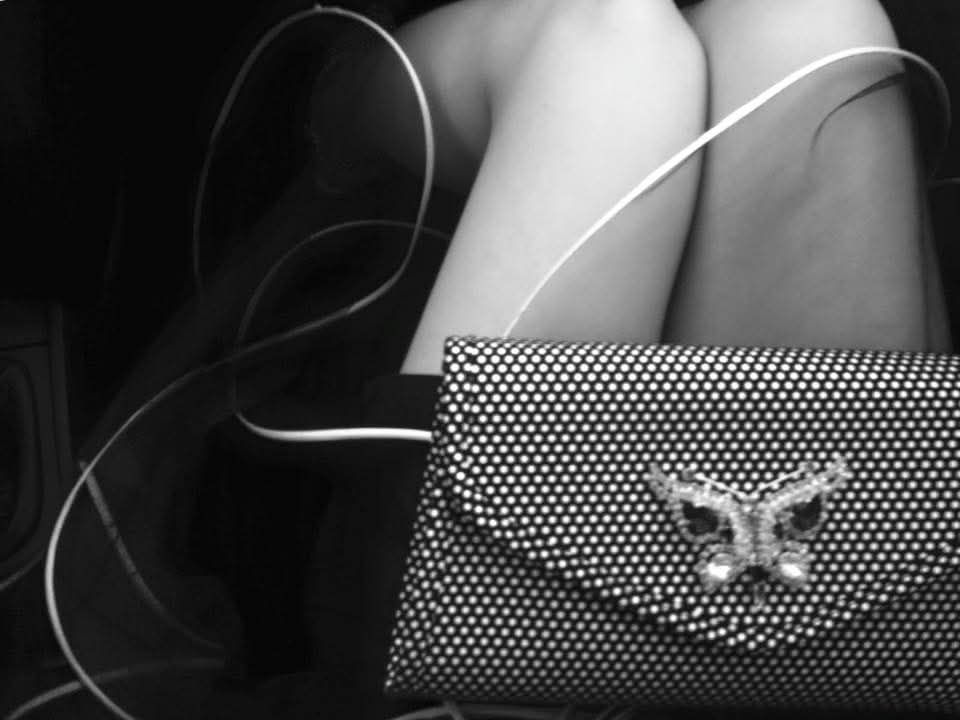
Song by Lana Del Rey
Amore dopo l’illusione
Non cercano più metà.
Non cercano più salvezza.
Cercano presenza.
Un amore che non sia un progetto da aggiustare, ma uno spazio in cui stare dritte, senza piegarsi troppo.
Un amore che non chieda di ridursi per funzionare.
Se arriva, bene.
Se non arriva, non si svendono.
Hanno smesso di romanticizzare la mancanza.
Preferiscono la realtà, anche quando è meno scenografica.
Love after the illusion
They no longer search for a “better half.”
They no longer search for salvation.
They search for presence.
A love that isn’t a project to fix, but a space where they can stand upright, without bending too much.
A love that doesn’t ask them to shrink in order to work.
If it comes, good.
If it doesn’t, they don’t sell themselves short.
They’ve stopped romanticizing absence.
They prefer reality, even when it’s less spectacular.


Rispondi